Phuket's nominee crackdown: why thousands of foreign villa owners are now exposed
600 companies flagged, land seized, buyers on hold: what Thailand's enforcement drive teaches every international investor
by
Adrien Boucher
Thailand is enforcing its ban on nominee ownership: 30,000 Phuket companies checked, more than 600 flagged, land seized across Phuket, Krabi and Phang Nga, and villa buyers on hold. What it means for foreign owners, the legal alternatives, and why direct ownership should be every investor's first question.
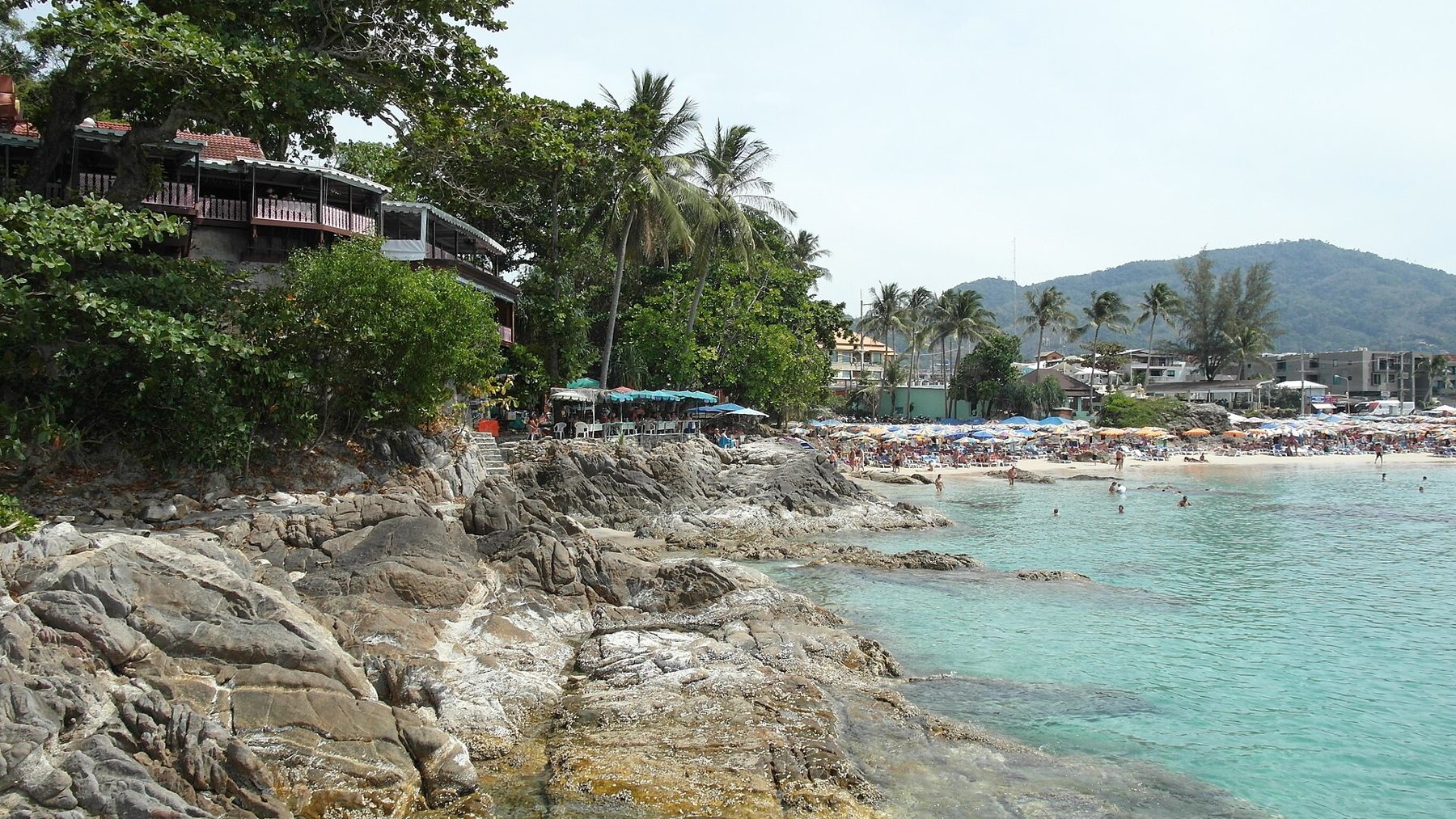
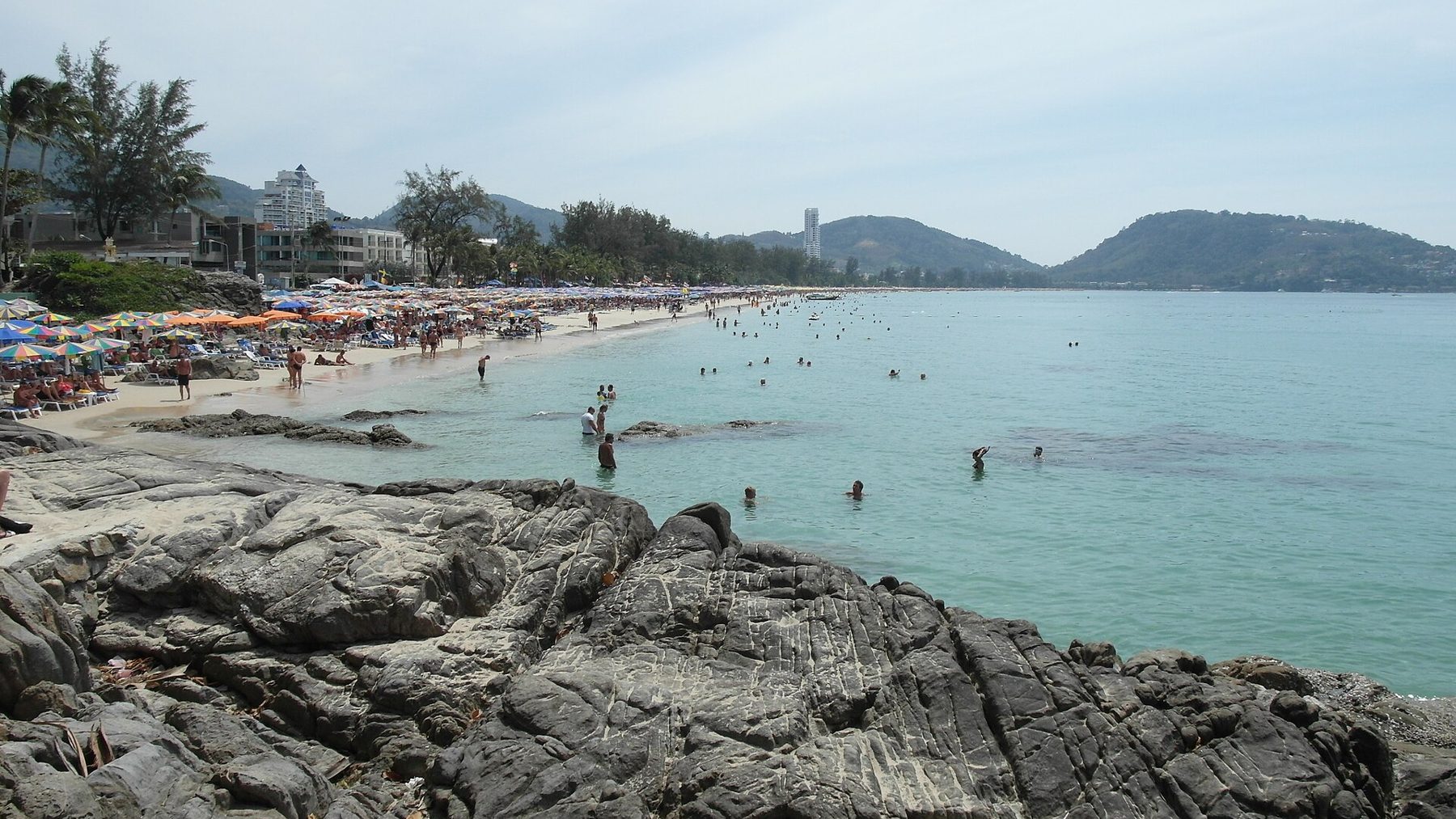
Patong, Phuket: at the heart of Thailand's crackdown on nominee ownership. Photo: Wolfgang Holzem, CC BY-SA 4.0, Wikimedia Commons
The loophole Thailand has decided to close
For years, buying a villa in Phuket or Koh Samui followed a well-worn script. Foreigners cannot own land in Thailand, so a Thai limited company was set up, with Thai shareholders on paper holding the majority and the foreign buyer quietly controlling everything else. Lawyers called it a structure. Thai law calls it a nominee arrangement, and it has always been illegal.
What has changed in 2026 is that the Thai state has decided to enforce the rule. And it is doing so methodically.
In June, a joint operation led by the deputy national police chief combed through more than 30,000 companies registered in Phuket. Over 11,000 had foreign shareholders, and more than 600 were flagged as being at risk of nominee arrangements. Across Phuket, Krabi and Phang Nga, the authorities moved to seize or pursue more than 46 rai of land, valued at over one billion baht.
In July, the Deputy Interior Minister led inspections in Patong and Kathu. The Ministry of Commerce handed the task force a list of 360 companies suspected of using Thai shareholders to hold stakes for foreign investors above the legal limit. Two hotels were found operating without licences or construction permits.
More recently, the Bangkok Post reported a new sweep across the south of the country, with 48 arrests, 27 Thai nationals and 21 foreigners, on 55 warrants. The investigation is still widening.
What it means for people who already own
The first consequence is legal. A foreigner who controls land through a nominee company does not own it in the eyes of Thai law. If the structure is challenged, the land can be seized, the company dissolved, and those involved, including the Thai nominees, prosecuted. Several owners in Phuket are now discovering that the "title" they paid for rests on a structure that the authorities are actively unpicking.
The second consequence is commercial. According to the Bangkok Post, prospective buyers are now holding back on luxury villa purchases in Phuket and Koh Samui while the investigations run their course. In a market where around three in five villa transactions involved a foreign buyer or lessee, that pause matters. Agents quoted by The Nation report that some sellers have already cut their asking prices by 10 to 20 per cent.
The third consequence is the hardest to measure: liquidity. A villa held through a questionable structure is difficult to sell, because any serious buyer, and any serious lawyer, will now ask exactly how it is owned. For many owners, the exit door has narrowed considerably.
Behind the postcard views, many villas rest on ownership structures the authorities are now challenging. Photo: Wolfgang Holzem, CC BY-SA 4.0, Wikimedia Commons
Own it in your name, or don't buy it
Before yield, before views, the first question is ownership. We focus on markets where foreigners buy outright, in their own name, under clear rules. Let's look at your project together.
None of this means Thailand is closed to foreign investors. It means the legal routes are narrower than many sales brochures suggested.
A foreigner can own a condominium unit outright, in their own name, provided the building's foreign ownership quota, 49 per cent of the floor area, has not been reached. For houses and villas, the main legal option is a registered long lease, typically for 30 years, with no automatic guarantee of renewal. Some buyers also use superficies rights, which allow ownership of a building on land that belongs to someone else.
These routes are legal. But they come with real constraints: no ownership of the land itself, a time limit on leases, and resale values that depend heavily on how much of the lease is left. For an investor looking to build long-term wealth, that is a very different proposition from owning freehold.
The lesson goes well beyond Thailand
Phuket is not an isolated case. Bali is also tightening its grip on foreign-run villas operating outside their permits, with deportations and demolition orders on protected farmland. The pattern is always the same: a destination becomes fashionable, foreign demand outpaces what the law allows, intermediaries invent workarounds, and one day the state decides to enforce its own rules.
For an investor, the conclusion is simple. The first question to ask about any market is not the yield or the view. It is this: can I own this property directly, in my own name, without a local partner and without a workaround? If the answer is no, every other figure in the business plan rests on fragile ground.
Where the answer is yes
There are markets where that question has a clear answer. In Georgia, a foreigner can buy an apartment in full ownership, in their own name, with no local partner, and the purchase is registered in the public registry, often within a day or two. In the United Arab Emirates, foreigners can buy freehold in designated zones such as Dubai Marina, Downtown or Palm Jumeirah.
These are precisely the kinds of markets where we focus our work: places where ownership is clear, the rules are written down, and an investor does not have to rely on a structure that could be challenged tomorrow.
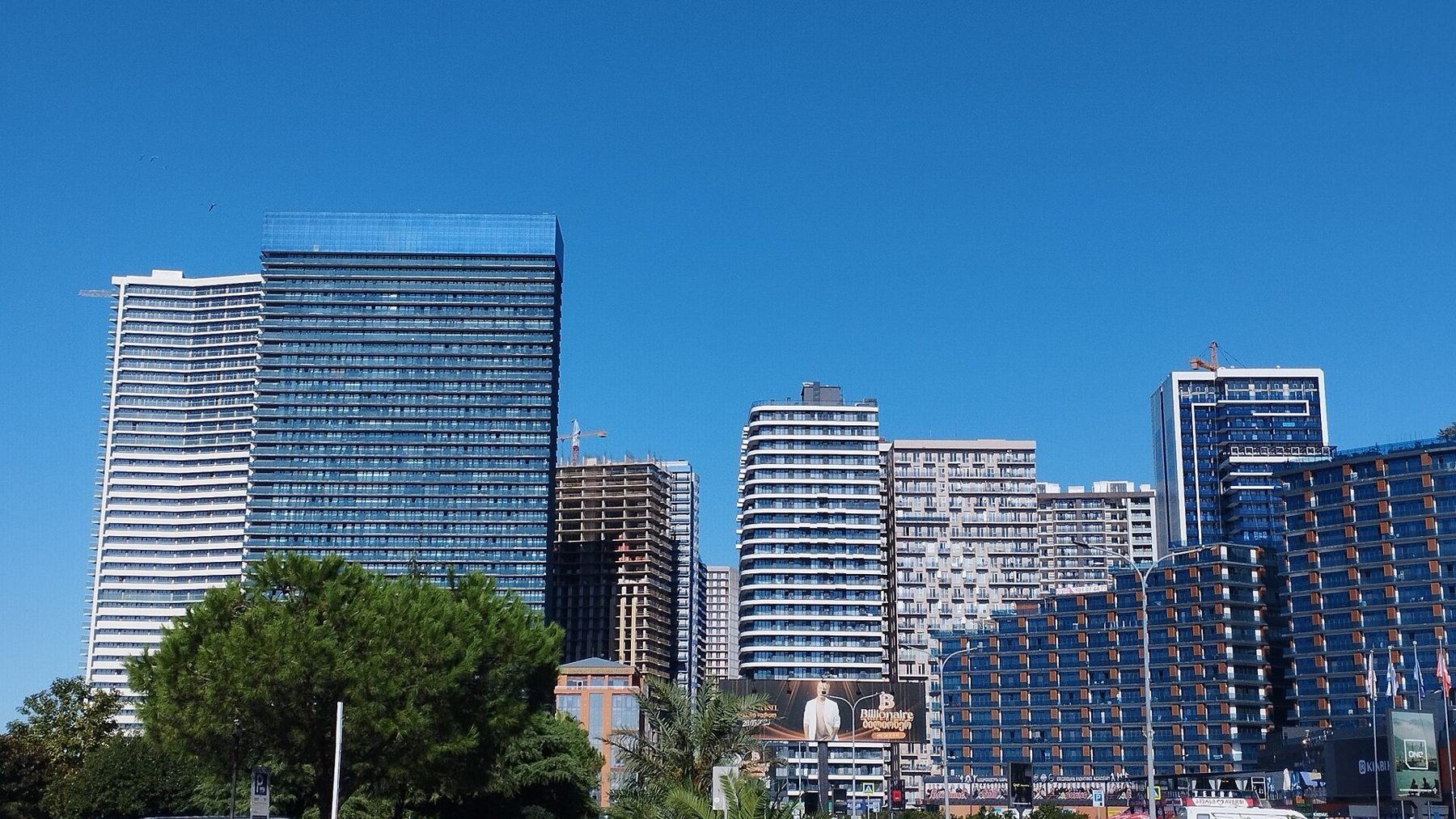
In Georgia, foreigners buy in their own name, with no local partner required. Photo: Erez.Gt, CC BY 4.0, Wikimedia Commons
What to watch next
The Thai authorities have said the investigation is expanding, and further warrants are expected. Buyers currently negotiating in Phuket or Koh Samui should demand a full review of the ownership structure before signing anything, and existing owners would be well advised to have theirs checked by an independent lawyer. We will follow how the courts treat the first cases, as they will set the tone for thousands of foreign-owned properties across the country.
Conclusion
Thailand has not changed its law. It has simply started applying it. For thousands of foreign owners, that is enough to turn a dream villa into a legal and financial headache. The lesson is valid far beyond Phuket: an investment is only as solid as the ownership behind it.
Looking for markets where foreigners can own outright?
There are destinations where international investors can buy in their own name, under clear and stable rules. If you would like to explore them, let's talk for 30 minutes. The first conversation comes with no commitment.