Georgia: record reserves and surging exports, an economy stronger than ever
USD 8.17 billion in reserves, exports up 19.6%, growth forecast raised to 7.2%: Georgia's fundamentals keep getting stronger
by
Adrien Boucher
Georgia's international reserves hit a record USD 8.17 billion (+50.5% in a year), exports grew 19.6% over nine months and the National Bank raised its 2026 growth forecast to 7.2%. What these figures say about the country's strength, and why they matter for investors.
Rustaveli Avenue, Tbilisi. Record reserves and surging exports: Georgia's economy has never looked stronger. Photo: Vyacheslav Argenberg, CC BY 4.0, Wikimedia Commons
Reserves at an all-time high
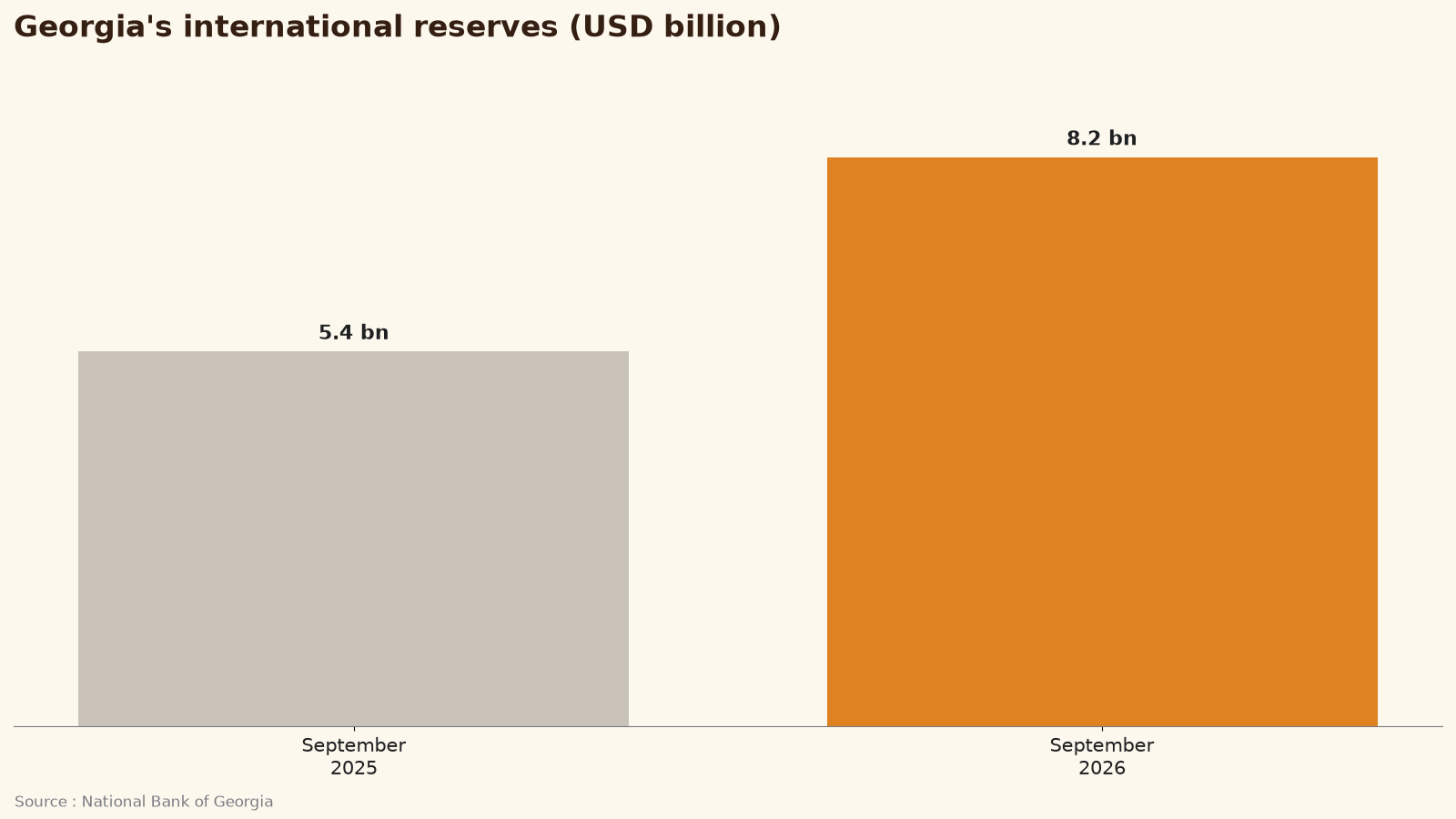
In early October, the National Bank of Georgia (NBG) reported that the country's international reserves stood at USD 8.17 billion at the end of September 2026. That is the highest level ever recorded, up 50.5% in a year. Over the past two years, Georgia's reserves have roughly doubled.
This is not just a central banker's statistic. Foreign exchange reserves are the dollars, euros and gold a country keeps aside to defend its currency, pay for imports and absorb shocks. The bigger the cushion, the safer the currency and the more confidence the country commands. On the IMF's own adequacy metric, Georgia now stands at 128.7%, comfortably above the 100% threshold considered sufficient.
This build-up is deliberate. Between January and August, the NBG bought more than USD 3.1 billion on the currency market. It started investing in gold in 2024 and added another USD 100 million in June. Gold now makes up almost 13% of total reserves.
In one year, Georgia's reserves rose from around USD 5.4 billion to 8.2 billion.
Exports are accelerating
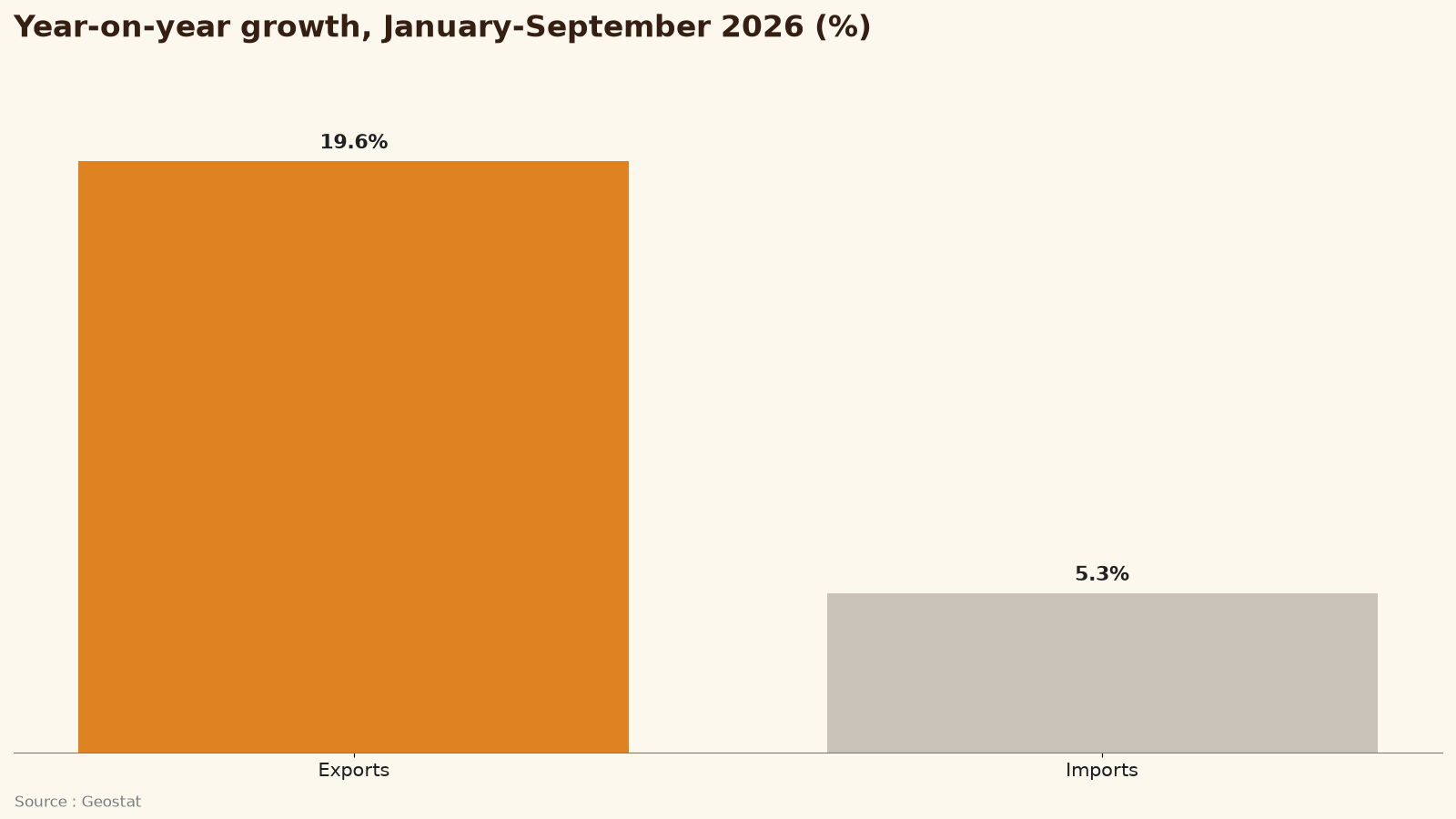
The second piece of good news comes from trade. According to Geostat, Georgia's exports grew 19.6% in the first nine months of the year, to USD 6.15 billion, while imports rose only 5.3%. Exports are growing almost four times faster. September alone set a record for the month, with USD 731 million shipped abroad.
What matters most is the nature of that growth. Exports of goods actually produced in Georgia, excluding re-exports, jumped 63.5% over eight months and now account for more than 60% of the total. The start-up of the country's first full-scale oil refinery sent petroleum product sales soaring, and precious metal ores are rising sharply. Georgia is no longer just a transit country: it is producing and selling more of its own goods.
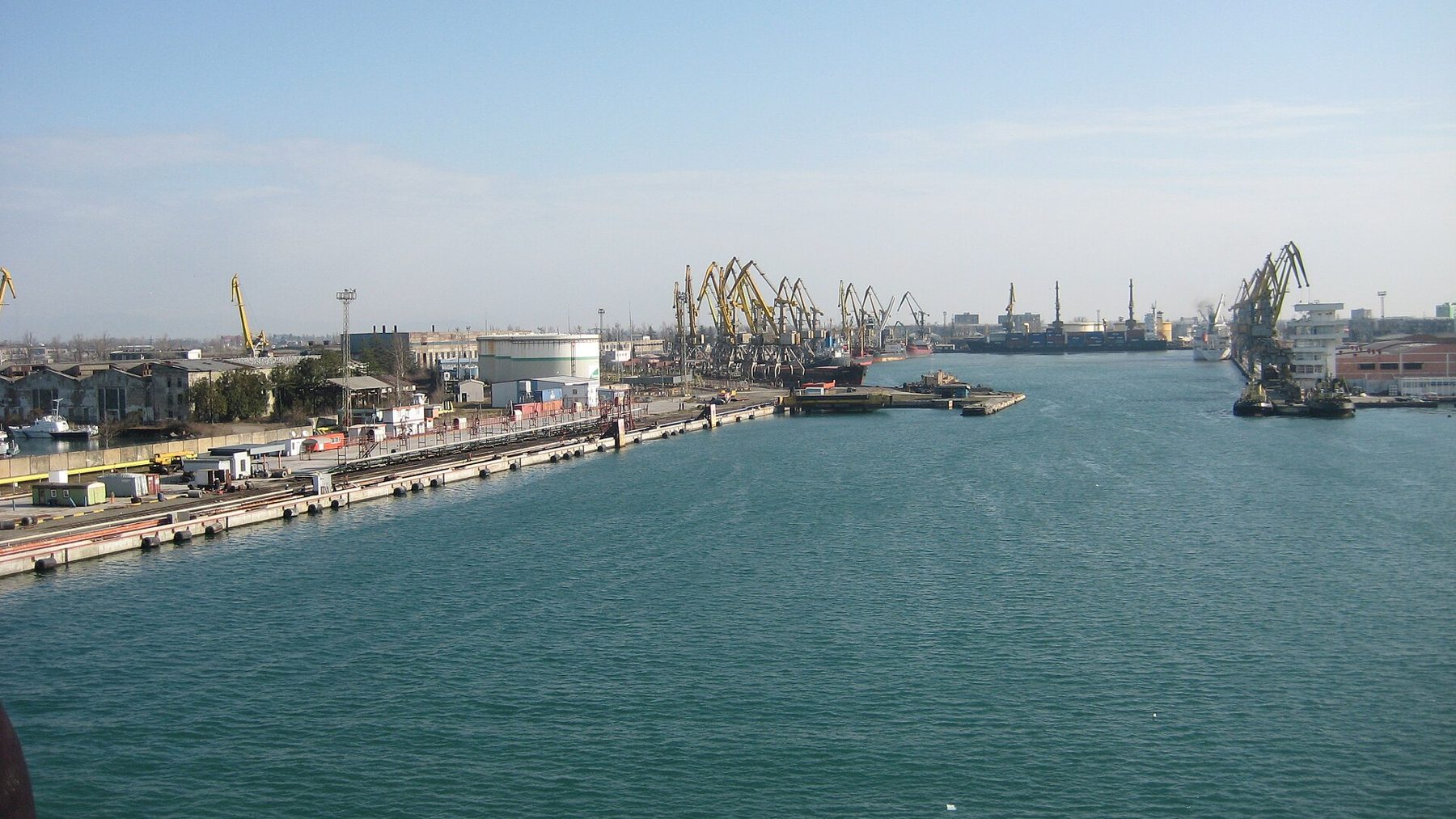
The port of Poti, one of Georgia's main trade gateways on the Black Sea. Photo: Nikita Kryachko, CC BY 3.0, Wikimedia Commons
Invest in an economy that is growing
Strong growth, light taxation and direct ownership for foreigners: let's talk about your Georgia project in 30 minutes.
These two records are part of a broader picture. Over the first eight months of 2026, Georgia's GDP grew by an average of 7.6%. On 21 October, the NBG raised its full-year growth forecast from 6.5% to 7.2%. Few economies in Europe or its neighbourhood can match that pace.
Not everything is perfect. Inflation, expected at 5.4% this year, remains above the 3% target, largely because of external pressures linked to the situation in the Middle East. That is why the NBG has kept its policy rate at 8.25%. But it expects inflation to move back towards target from the second half of 2027, and it openly mentions the possibility of a stronger lari if growth stays high.
Over nine months, Georgian exports are growing almost four times faster than imports.
What it means for investors
For a foreign investor, these figures answer a fundamental question: is the country I am investing in solid? Record reserves protect the currency and reduce the risk of a sudden devaluation. Rapidly rising exports bring hard currency into the country. Growth above 7% feeds jobs, incomes and housing demand.
That is the foundation under the property market. In Batumi, we see net rental yields of 8 to 12% and prices rising by 15 to 20% a year. Those numbers do not come out of nowhere: they rest on an economy that is growing, attracting capital and financing itself better every year.
The framework for foreigners also remains very favourable. International buyers can own property outright in their own name, with no local partner. Rental income is taxed at a flat 5%, and capital gains are tax-free after two years of ownership.
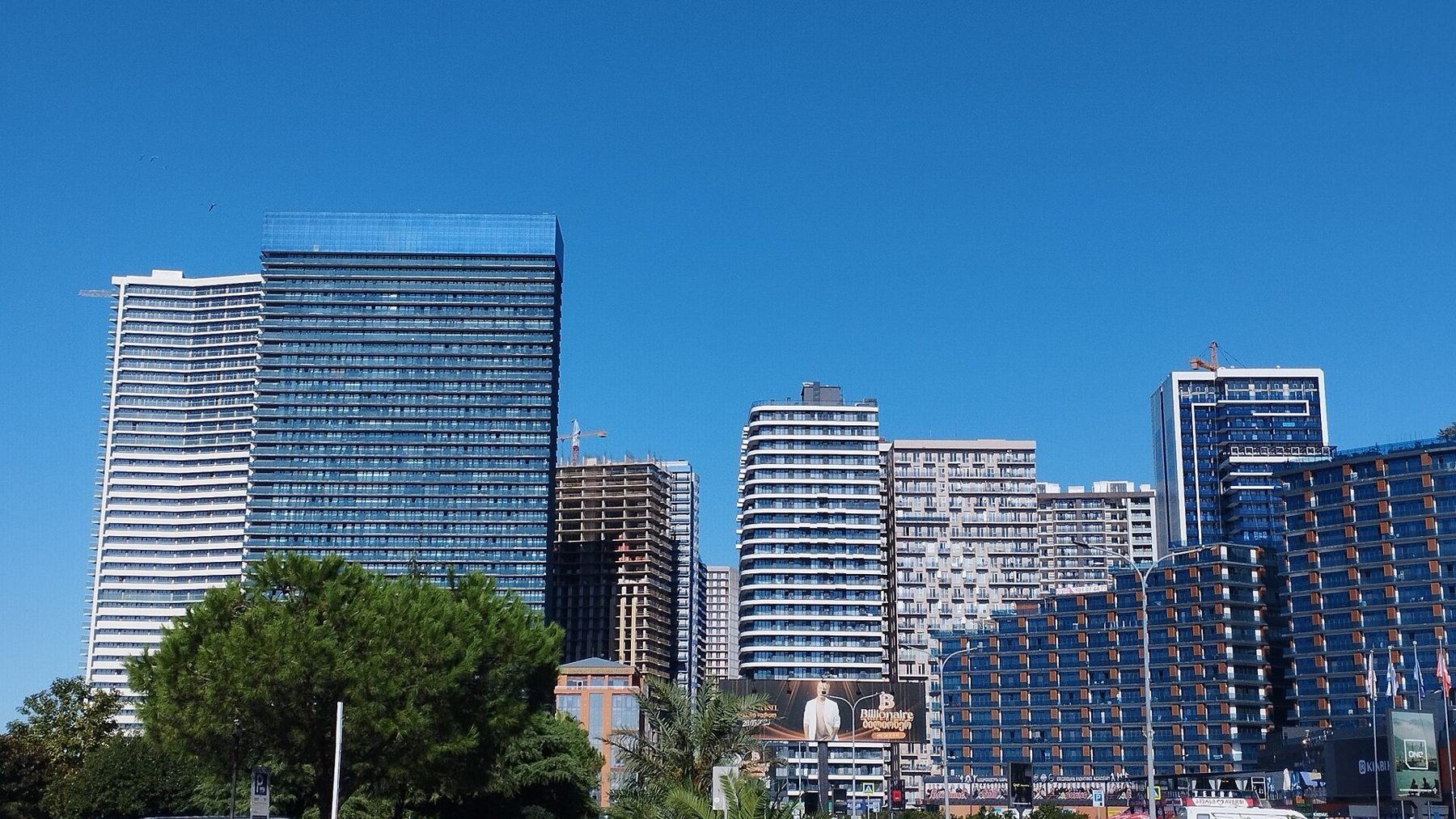
Batumi, on the Black Sea, benefits directly from the strength of the Georgian economy. Photo: Erez.Gt, CC BY 4.0, Wikimedia Commons
What to watch
Three dates matter in the coming weeks. The NBG will publish updated reserve figures on 6 November. Geostat is due to revise its second-quarter GDP figures by 13 November. And the inflation trend will show whether the central bank can start easing policy in 2027.
Conclusion
Record reserves, booming exports and growth above 7%: Georgia is heading into the end of 2026 with fundamentals that many larger economies would envy. For investors looking to diversify beyond their home markets, this is exactly the kind of signal that matters.
Looking to invest in a fast-growing economy?
Georgia combines strong growth, light taxation and simple property ownership for foreigners. If you would like to explore it, let's talk for 30 minutes. The first conversation comes with no commitment.