Golden visas: Europe is closing its doors to investors, the rest of the world is opening them
Portugal's backlog, Spain's closure, Greece's 15% tax and Cyprus's clean-up: what it means for international investors
by
Adrien Boucher
In one month, Greece announced a 15% transfer tax for non-EU buyers, Cyprus launched a review of 12,000 permits and Portugal admitted 46,000 golden visa applications are stuck. Europe is closing its property golden visas, while countries outside the EU are actively courting investors.
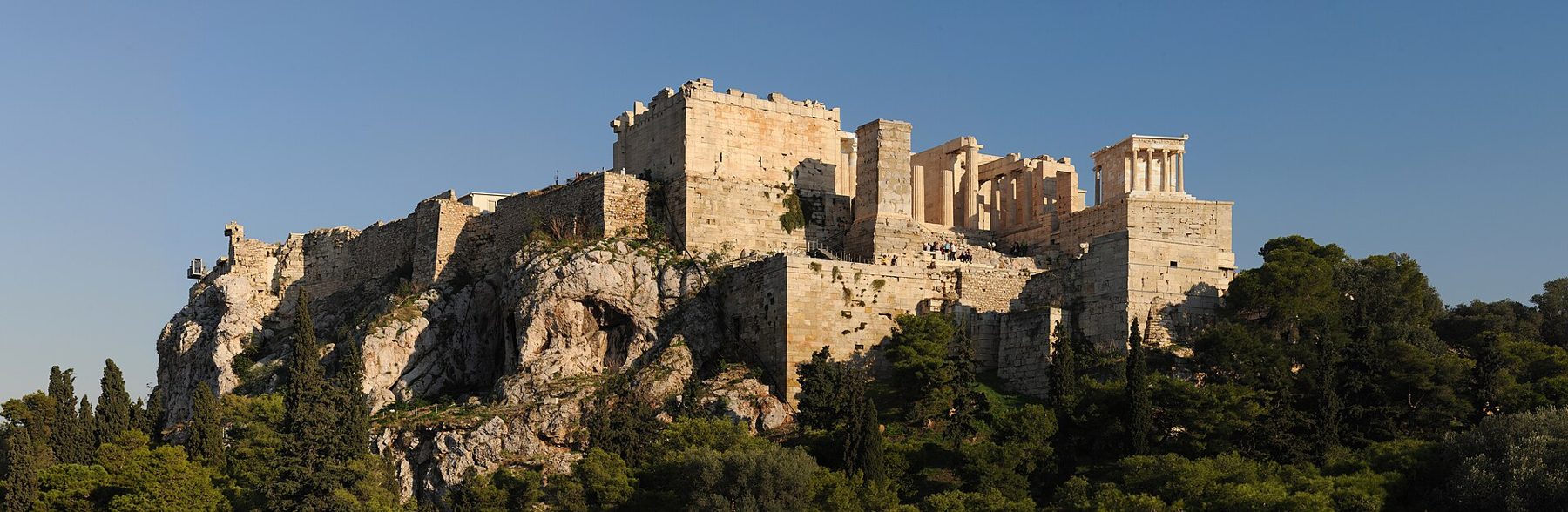
In Greece, southern Europe's last major property route, the golden visa is about to become far more expensive. Photo: Ggia, CC BY-SA 3.0, Wikimedia Commons
Three announcements in one month
For more than a decade, buying an apartment in southern Europe was one of the simplest ways for a non-European investor to secure a residence permit. Within a few weeks this autumn, three announcements confirmed that this era is ending.
In early September, at the Thessaloniki International Fair, Greek Prime Minister Kyriakos Mitsotakis announced that transfer tax for non-EU buyers of residential property would rise from 3 to 15 per cent from 1 July 2027. On 24 September, Cyprus's Deputy Minister for Migration told MPs that the state would check whether the holders of some 12,000 permits issued since 2013 still meet the conditions, and that stricter rules were being prepared. And on 8 October, Portugal's Minister of the Presidency told parliament that the migration agency had processed only 6,000 of the 46,000 golden visa applications waiting in its queue.
Taken one by one, these look like technical adjustments. Taken together, they point in one direction.
How we got here
Golden visas were born after the 2008 financial crisis, when Portugal, Spain, Greece and Cyprus were desperate to attract foreign capital into their property markets. The deal was simple: buy above a certain threshold and receive a residence permit, often renewable and sometimes leading to citizenship.
The programmes worked, so well that they became politically toxic. In major cities they were blamed for pushing up prices and squeezing local residents out of the housing market. Brussels, meanwhile, worried about money laundering and about easy access to the Schengen area for investors who were barely vetted. Over the past three years, the countries concerned have closed or tightened their schemes one after another.
Portugal: a queue of 46,000 applications
Portugal closed the property route of its golden visa in October 2023. Residence can still be obtained through other investments, such as eligible funds, but buying a home is no longer enough.
The bigger issue is administrative. According to figures given to parliament in early October, the migration agency has processed just 6,000 of 46,000 pending applications, despite increasing its staff from 723 to 850. Practitioners estimate 14 to 18 months for a new file, and an industry survey reports a record average wait of more than 50 months for files opened between 2021 and 2023. Portugal has also tightened its nationality law: non-EU investors from outside the Portuguese-speaking world now need ten years of residence, counted from the date the first permit is issued.
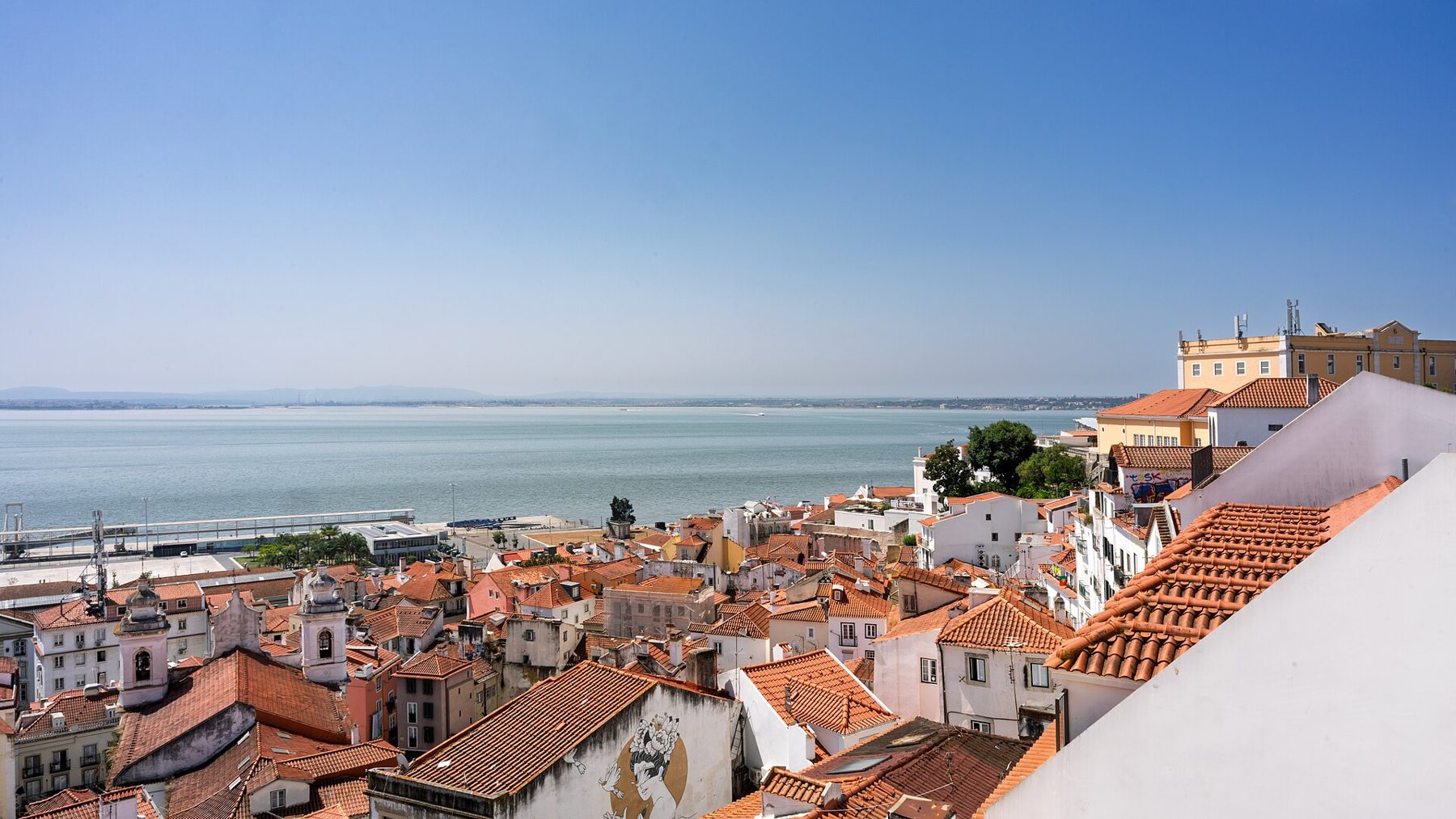
In Lisbon, 46,000 golden visa applications are still waiting for an answer. Photo: Dale Cruse, CC BY 4.0, Wikimedia Commons
Spain: the door is shut
Spain abolished its property golden visa on 3 April 2025. Until then, an investment of at least 500,000 euros in real estate opened the door to residence. The government justified the decision by the housing crisis in big cities and tourist areas. Existing holders can renew, but no new applications are accepted.
Europe is closing: look beyond its borders
More tax, more checks, more delays: the European Union is no longer welcoming to property investors. Other countries are doing everything they can to attract them. Let's talk about your project in 30 minutes.
Greece: the last major scheme becomes far more expensive
Greece is now the main southern European country where buying property still leads to a residence permit, but the rules have tightened considerably since 2024. The threshold is 800,000 euros in Attica, Thessaloniki, Mykonos, Santorini and islands with more than 3,100 inhabitants, and 400,000 euros elsewhere. A 250,000-euro route remains for converting commercial buildings into homes or restoring listed buildings. The investment must be in a single property of at least 120 square metres, and short-term letting is banned, with fines and permit withdrawal for those who break the rule.
On top of that comes the announced tax rise. On an 800,000-euro home, transfer tax would jump from around 24,000 to around 120,000 euros, an extra 96,000 euros. The measure still has to be voted, and parliamentary elections are due in spring 2027, but the announcement alone is enough to change the calculation for many buyers. Purchases through a company, commercial property and fund or deposit routes would reportedly be exempt.
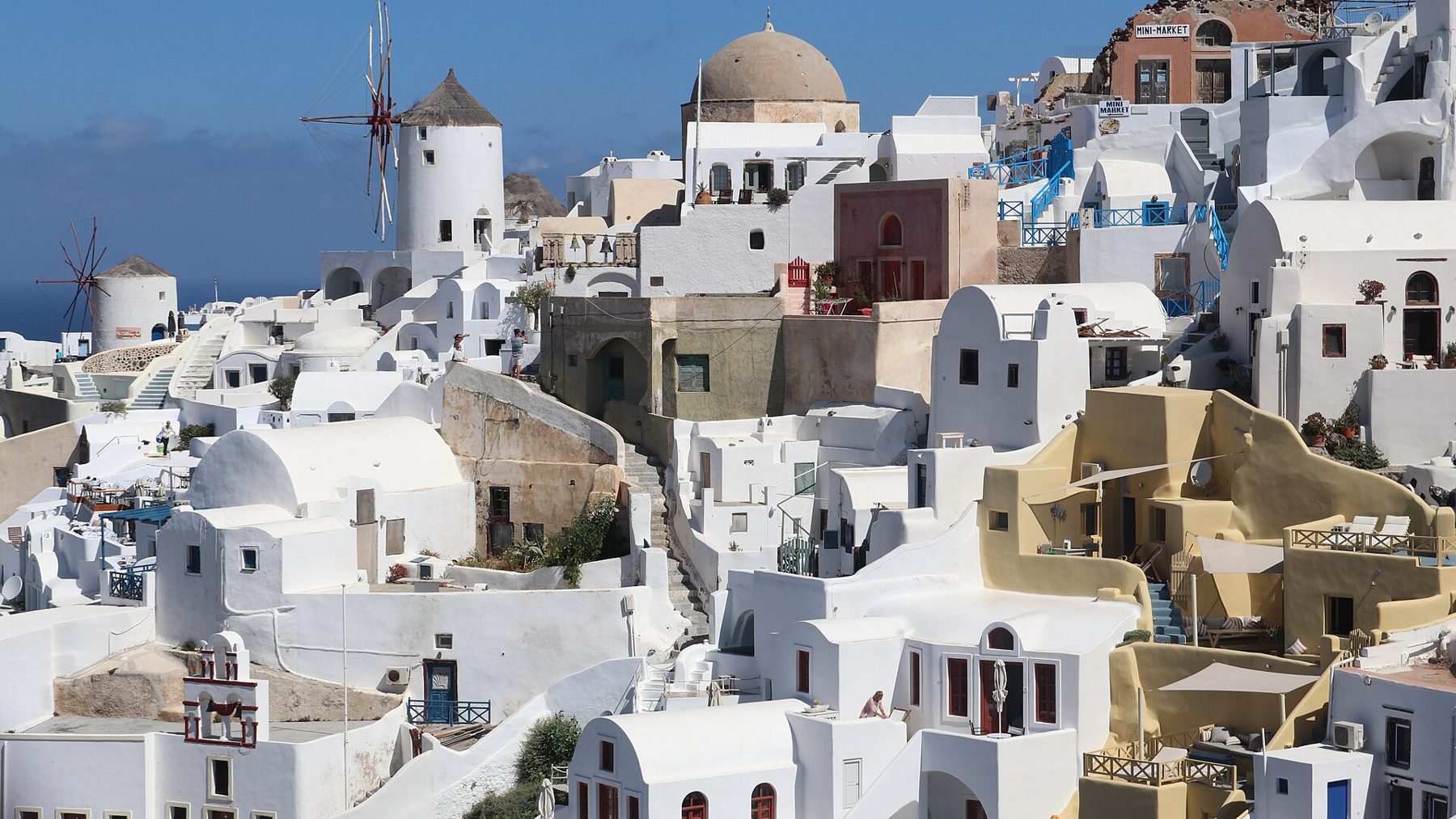
On Santorini, as on Mykonos, the Greek golden visa threshold is 800,000 euros. Photo: Moataz1997, CC BY-SA 4.0, Wikimedia Commons
Cyprus: a clean-up before Schengen
Cyprus still grants permanent residence from 300,000 euros invested in a new home, plus VAT, and has issued around 1,500 such permits over the past two years. But the island is preparing to join the Schengen area, and the government wants to show it is serious. Hence the review of some 12,000 permits issued since 2013, and tightening proposals already circulating between ministries, whose content has not yet been made public. For an investor, it means a permit obtained today could tomorrow be subject to conditions very different from those that applied at the time of purchase.
What this means for international investors
The first lesson is simple: in southern Europe, a residence permit can no longer be the main reason for a property investment. Programmes are closing, becoming more expensive or less predictable, and administrative delays can turn a life project into an endless wait.
The second is that a property bought mainly for the visa is often a poor investment. When the price is dictated by a legal threshold rather than the potential of the asset, when short-term letting is banned and taxes are rising, returns become an afterthought. Many investors who bought in Lisbon or Athens purely for the golden visa are discovering this today.
The third is that the trend is the same across the European Union: more tax, more checks, more delays, under rules that shift with each budget and each election. Outside the EU, the dynamic is the opposite. Several countries are actively courting foreign capital with clear, stable rules. In the United Arab Emirates, a property worth at least 2 million dirhams qualifies for a ten-year golden visa, in a country with no personal income tax. In Georgia, a real estate investment of 150,000 dollars opens the door to a residence permit, foreigners can buy outright in their own name without a local partner, and rental income is taxed at 5 per cent.
The right approach is therefore to reverse the order of the questions: first choose a market and a property for their potential, then see whether residence can come as a bonus. Increasingly, those markets lie outside the European Union.
What to watch
In Greece, the vote on the transfer tax rise and the exact trigger date: preliminary contract, notarial deed or registration. In Cyprus, the content of the new rules and the Schengen timetable. In Portugal, whether the administration can clear its backlog. We will follow all three and report back as decisions are made.
Conclusion
For more than ten years, Europe's golden visas offered an easy way in. That door is closing, and the European Union is sending a clear message to international investors: they are less and less welcome. It is one more reason to look beyond the EU's borders, towards countries that are doing everything they can to attract capital, and to return to fundamentals: yield, tax and growth potential.
Looking to invest internationally, with or without residence?
Outside the European Union, there are markets where property remains accessible, profitable and open to foreign buyers. If you would like to explore them, let's talk for 30 minutes. The first conversation comes with no commitment.