Bali: ten foreigners deported, unlicensed villas targeted, how to invest by the rules
Deportations, a block on small foreign-owned companies, licence checks: Bali is sorting serious investors from fragile structures
by
Adrien Boucher
In early October, Bali deported ten foreigners, three of them on investor permits. The governor has blocked new small foreign-owned companies and asked agencies to stop selling unlicensed stays. What Indonesia is targeting, and how to invest in Bali by the rules.
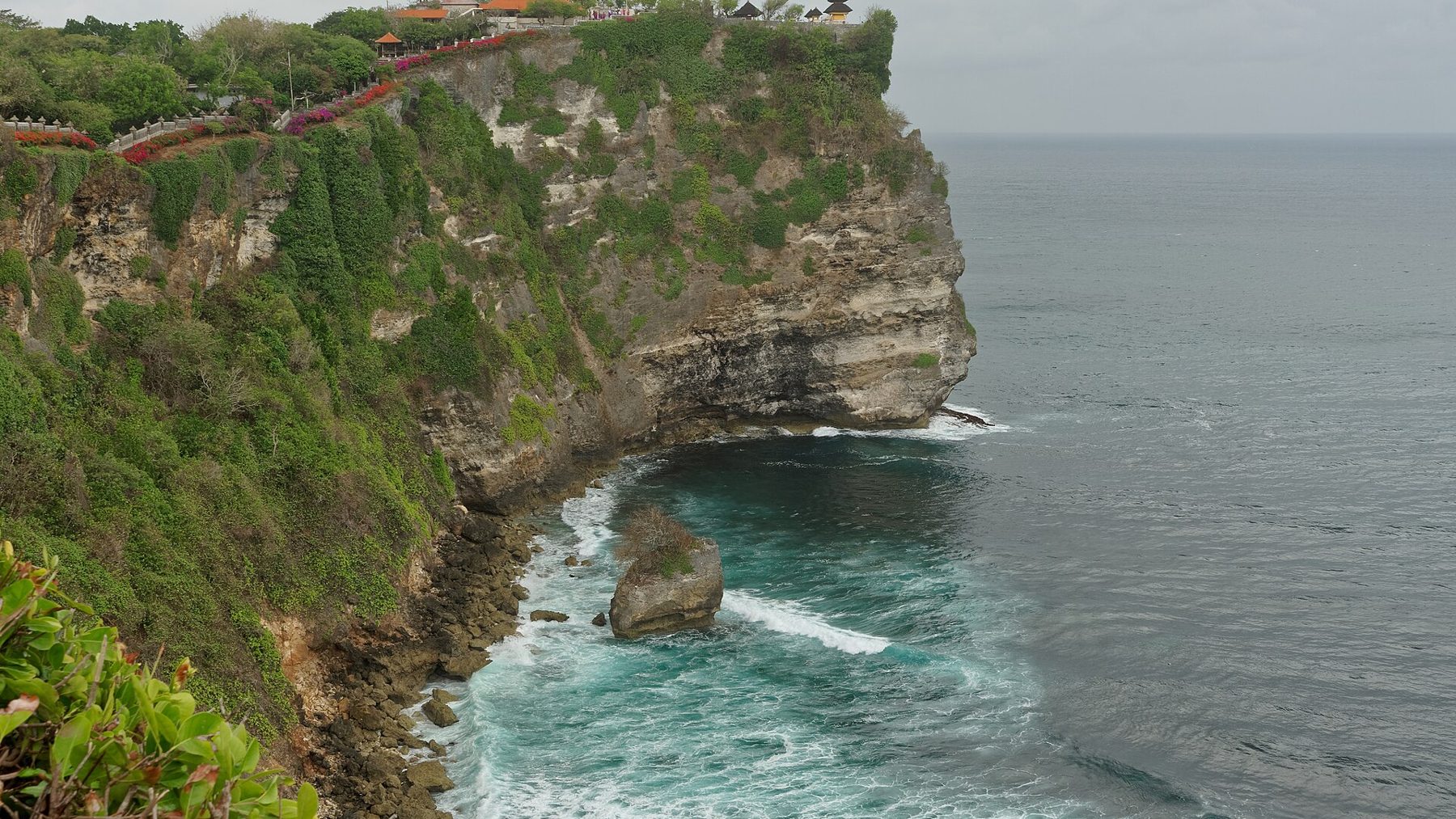
Uluwatu, southern Bali. The island remains one of Asia's most sought-after destinations, but the rules now apply to everyone. Photo: Jakub Hałun, CC BY-SA 4.0, Wikimedia Commons
Ten deportations in five days
Between 5 and 9 October, the Ngurah Rai immigration office deported ten foreigners from Bali. The cases were varied: two overstays, a DJ working in Canggu without authorisation, a model, a German national using two passports. But several cases go straight to the heart of the property market.
Three of the ten held investor stay permits. An American was deported for operating outside the scope of his permit and promoting a villa. An Australian was removed for providing false information about an investment. Another kept running his business after Indonesia's investment authority had revoked his licence. All ten have been placed on Indonesia's entry ban list.
The head of Ngurah Rai immigration made it clear: checks will continue.
A tightening that has been building for months
These deportations are not a one-off. They are part of a broader effort by the Balinese authorities, under way since the start of the year, to regain control of the villa market.
In January, Governor Wayan Koster asked the Investment Ministry to close new registrations of foreign-owned companies in Bali for activities classified as low and medium-low risk. According to specialist advisory firms, the block has been applied in the business registration system since the spring. In practice, most small villa rental companies set up by foreigners can no longer be registered the way they used to be.
The governor has also asked travel agencies to stop marketing unlicensed accommodation. Around 5,000 new permits are being reviewed for the 2024-2026 period, each one checked against zoning plans and rice-field protection rules. Approval is far from automatic.
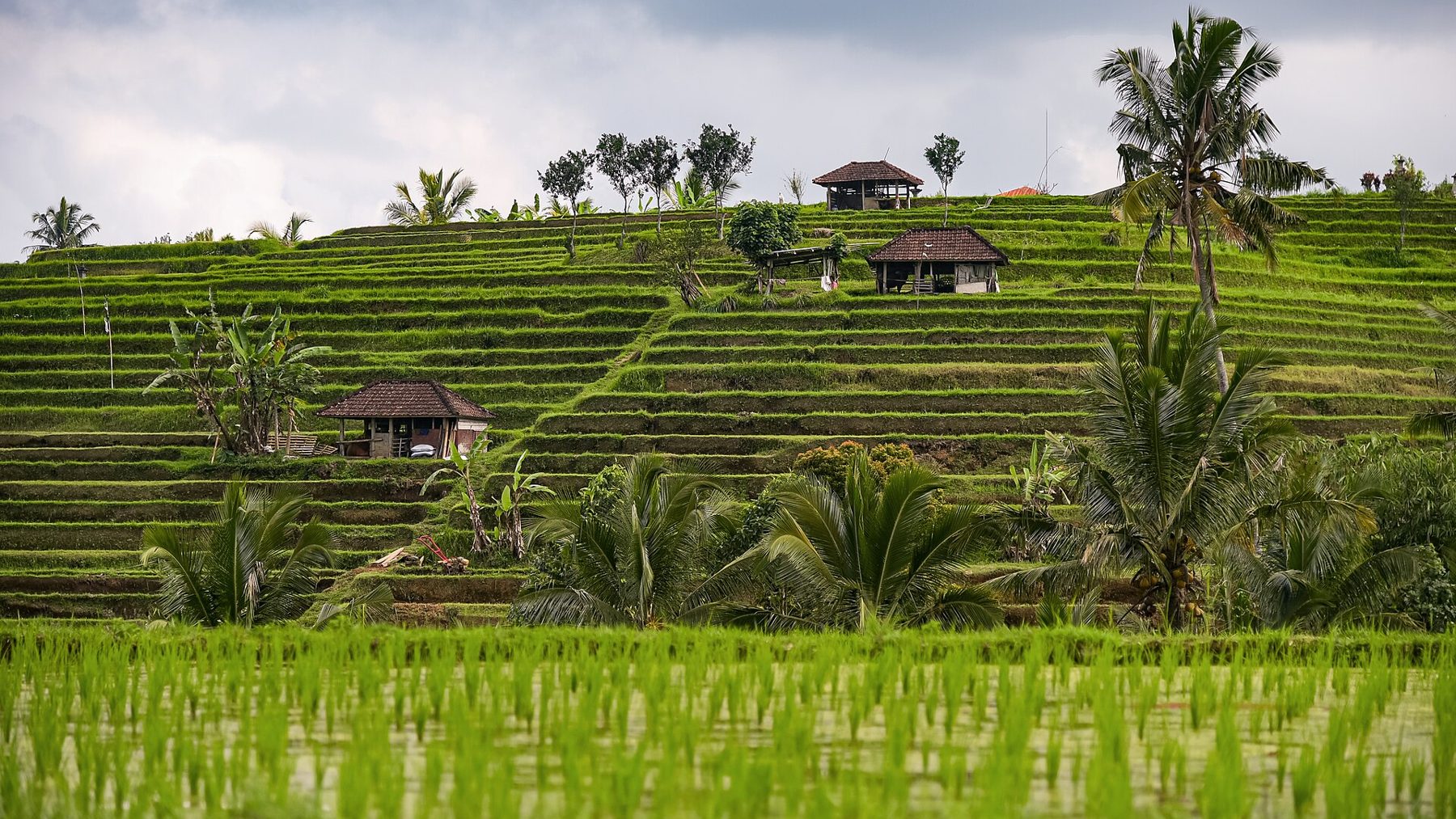
Bali's rice fields are protected: many villas built on agricultural land are now in the authorities' sights. Photo: Jorge Franganillo, CC BY 2.0, Wikimedia Commons
Invest in Bali, safely
Clear title, buildable land, licensed operator: let's talk about the Bali projects we select in 30 minutes.
This should not be misread. Bali is not closing its doors to foreign investors. It is separating those who invest by the rules from those who have thrived in the grey zones.
Three practices are clearly in the firing line. First, villas rented to tourists without an operating licence, often managed directly by their foreign owner. Second, nominee structures in which a foreigner effectively owns a property registered in an Indonesian's name, an illegal practice that can mean losing the asset altogether. Third, construction on protected agricultural land, now the subject of demolition orders.
It is the same pattern we described in Phuket: a destination becomes fashionable, foreign demand outruns what the law allows, intermediaries invent workarounds, and then the state decides to enforce its own rules.
How to invest in Bali by the rules
For investors, the takeaway is not to avoid Bali. It is to be far more demanding about the project than a few years ago. Four questions must be answered before signing.
The first is title. Who actually owns the land, and how will the property be held? Most foreigners buy on long-term leasehold. Freehold exists, but opportunities are rare and must be verified by an Indonesian notary.
The second is zoning. Is the land approved for tourism use, or is it agricultural? A valid building permit must be available.
The third is operation. Holiday rentals must run through a licensed operating company, not directly by the owner. That licence is what booking platforms now require.
The fourth is the investor's own status. An investor stay permit does not allow everything, as the October deportations show.
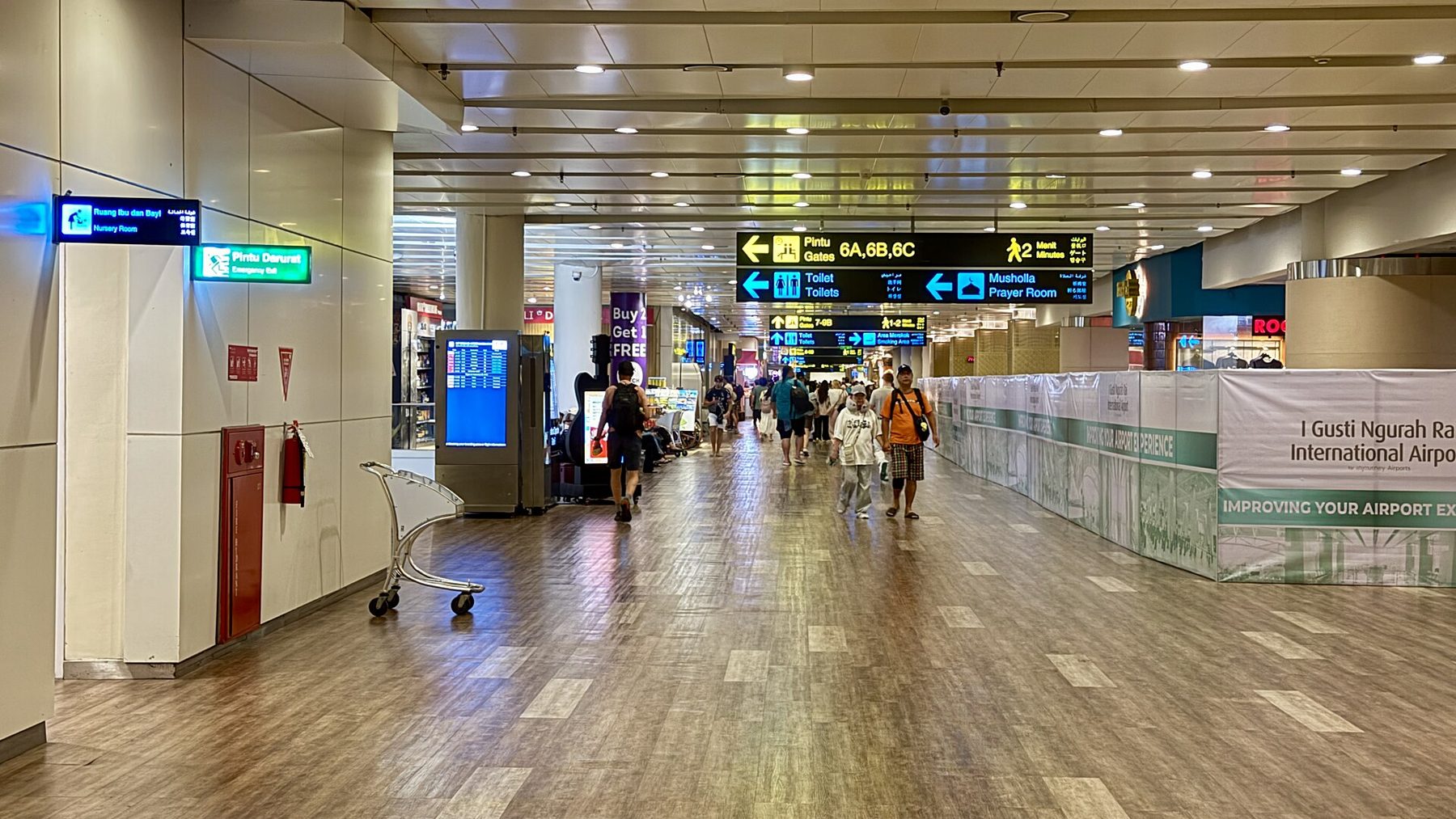
Ngurah Rai airport, where immigration officers deported ten foreigners in early October. Photo: Chris Olszewski, CC BY-SA 4.0, Wikimedia Commons
Our view
In the long run, this tightening is good news for serious investors. Fewer illegal villas means less unfair competition on rentals and a more transparent market. Well-structured projects, with clear title, buildable land and a licensed operator, come out stronger.
That is why we returned to Bali with a very tight selection. On the projects we retain, net yields range from 10 to 11%, with entry tickets from EUR 100,000, and we have access to rare freehold opportunities. But we systematically turn down anything that relies on a fragile structure.
What to watch
Immigration checks will continue in the coming weeks. The review of the 5,000 permit applications will show how many existing villas can be regularised. And the Investment Ministry's stance on foreign-owned companies will determine how smaller investors can still operate a property in Bali.
Conclusion
Bali has not changed its laws. It has started enforcing them. For those who bought a villa on the strength of a questionable structure, the months ahead will be difficult. For those who choose solid projects, they may turn into an opportunity.
Considering an investment in Bali?
Title, zoning, operating licence: in Bali, the safety of an investment is decided before signing. If you would like to explore it, let's talk for 30 minutes. The first conversation comes with no commitment.